Health Info > Disease & Treatment
Real-Time Continuous Glucose Monitoring (CGM)
1 min read Updated: 18 January 2026
Translated by AI
Oral medication + CGM can help you stay in control.
CGMs, like the Libre systems, can help you manage your glucose levels*†1,‡2—even if you’re not taking insulin.
- Easily see your glucose levels, where they’ve been, and where they’re going.
- Proven to significantly lower A1C*†1 without fingersticks§.
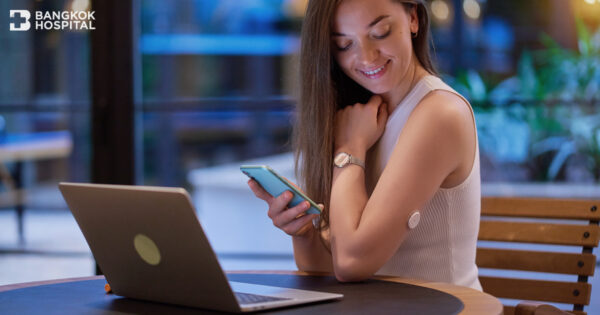
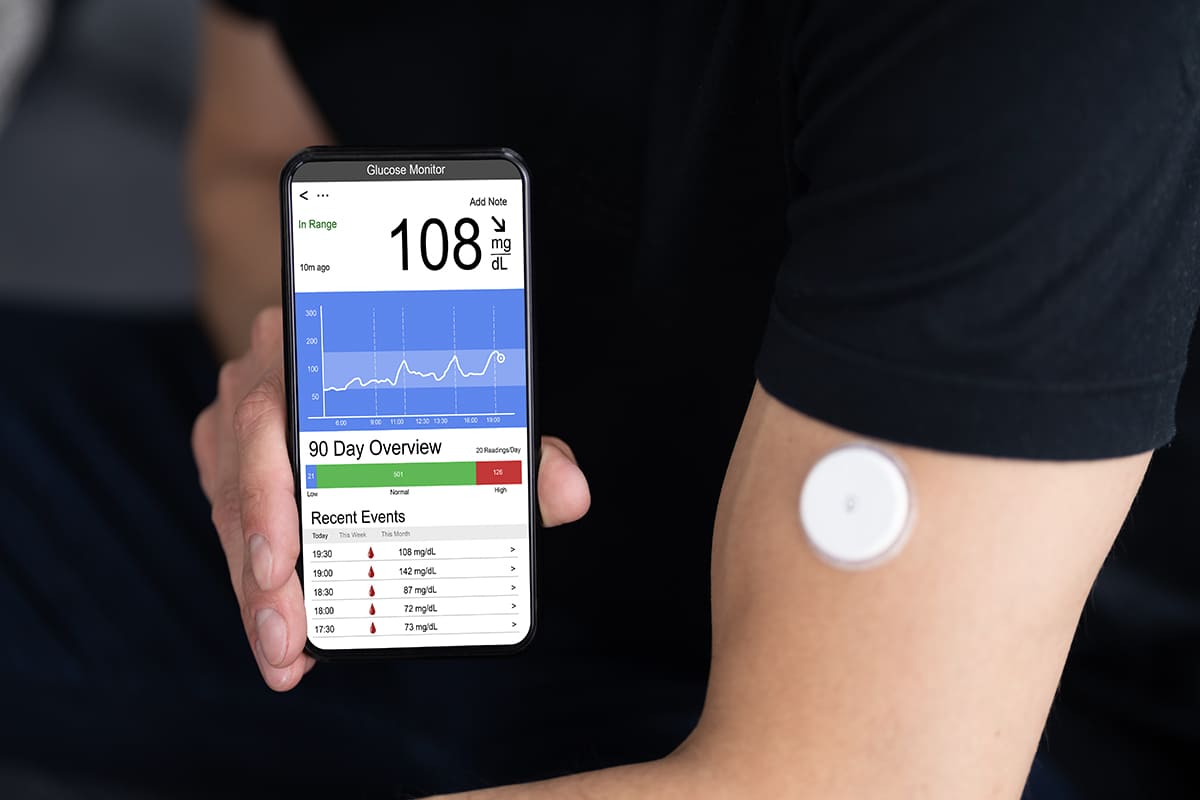
With the Libre 3 system, Penny can see what food causes her glucose to spike in real time.
“I can instantly see which foods spike my glucose — anytime, day or night.”
— Penny
For people with diabetes, monitoring blood glucose levels and keeping them within a safe range is extremely important. CGM is a modern technology that helps patients monitor their blood sugar in real time via smartphone, 24 hours a day for up to 7 days. Doctors can access detailed data to make accurate diagnoses and treatment plans, control blood sugar, and prevent complications based on individual conditions.
What is CGM?
CGM (Continuous Glucose Monitoring) is a device that shows real-time blood glucose levels continuously for 24 hours a day, for up to 7 days. A small sensor attached to the arm or abdomen sends data to a mobile app and website, allowing patients to check their levels anytime and anywhere. It alerts users approximately one hour in advance if blood sugar becomes too high or too low. The system is programmed by medical professionals to track in-depth trends and support complication prevention. Data from CGM is recognized by the American Diabetes Association (ADA) and widely used in clinical decisions.
Who is CGM Suitable For?
- People with diabetes
- Patients with obesity
- Individuals seeking weight management
- Pregnant women
- People aiming to improve eating habits and prevent diabetes
Advantages of Using CGM
- No finger pricking required
- Real-time readings every 5 minutes
- Access blood glucose data anytime via mobile phone
- Doctors can monitor reports 24/7
- Easy to use and improves treatment effectiveness
- Tracks how daily activities affect blood sugar trends
- Customizable alerts for high and low glucose levels
Limitations of CGM
The CGM sensor must be replaced every 7 days. Some users may experience mild skin irritation due to sweat or adhesion. Patients can shower and exercise normally, but should follow doctor’s instructions for replacement and care.
Difference Between CGM and SMBG
SMBG (Self-Monitoring Blood Glucose) requires frequent finger pricking, which can be painful and disruptive. CGM uses a small wearable sensor to provide 24‑hour continuous data without repeated pricking. The readings are internationally recognized and can be used immediately for clinical treatment.
Why CGM is Necessary
Extremely high or low blood sugar can be life-threatening for diabetic patients. CGM provides early warnings, allowing patients and medical teams to respond quickly and prevent dangerous complications.

Information Provided By
Dr. Sithiphol Chinnapongse
Internal Medicine Specialist
For More Information
Diabetes, Thyroid & Endocrine Center
2nd Floor, Bangkok Hospital Building
Daily 7:00 AM – 4:00 PM